
How Brewing Expansion works: the 16 seeds, 67 wine recipes, growing and aging loop, automation, profit assumptions and compatibility with vanilla winemaking.
Probably Stolen Brewing Expansion Mod Guide
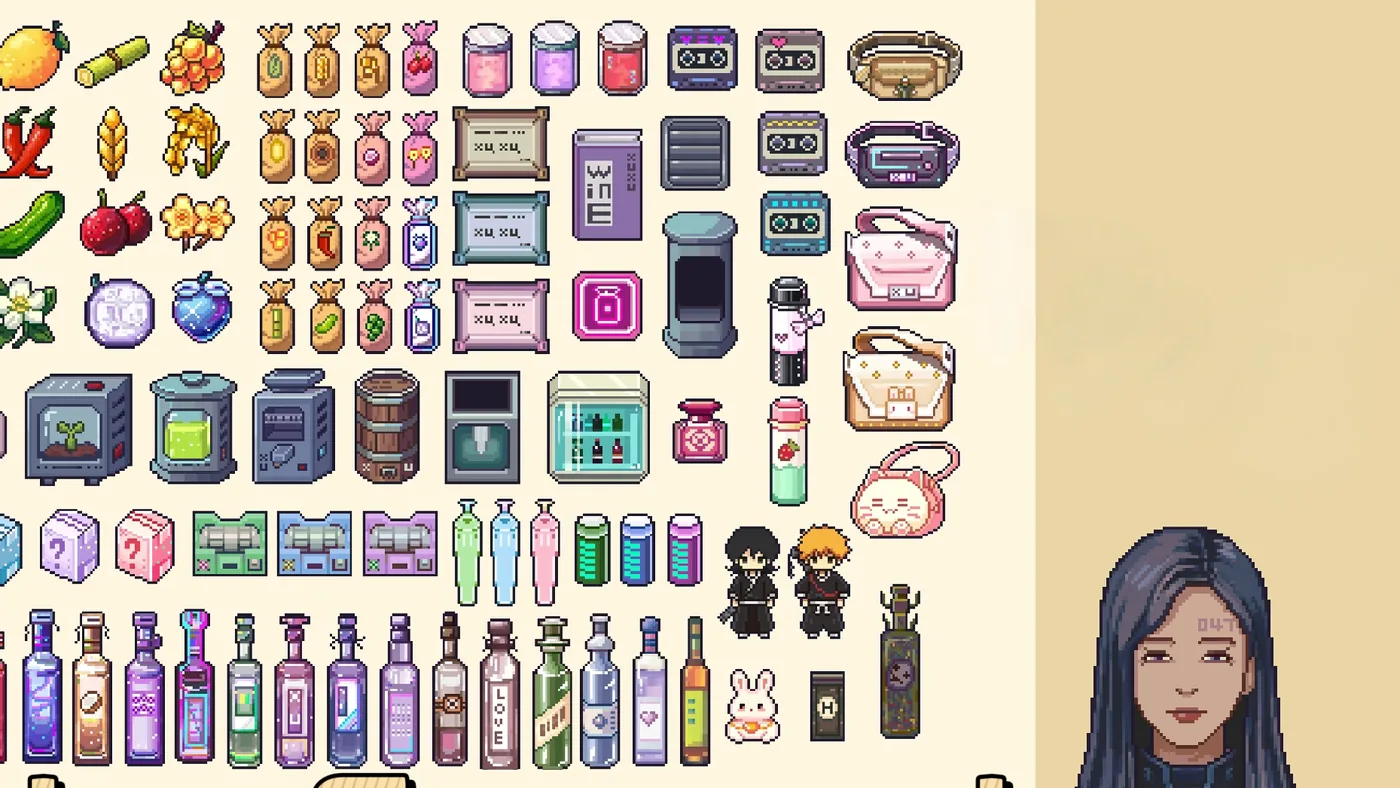
Brewing Expansion (Workshop ID 3829730904) adds 180 items, 16 seeds, 18 fruits and special ingredients, and 67 wine recipes. The loop is: grow the fruit, mix the must, ferment, age, sell. It is a full production chain, not a reskin. Install it after you understand vanilla winemaking, and do not stack it with another brewing mod.
Vanilla Probably Stolen already has wine: grapes, bottles, fermentation and a buyer. Brewing Expansion turns that into a vertical business. The mod's own description promises "from a single seed to a cabinet of aged wine," and the item counts back it up.
This guide covers what the mod adds, how to start, how to scale, and what to measure before you call it profitable.
What the mod adds
| Category | Count | What it means |
|---|---|---|
| New items | 180 | Bottles, musts, ingredients, equipment, aged variants |
| Seeds | 16 | New growable inputs |
| Fruits and special ingredients | 18 | The flavour and quality inputs |
| Wine recipes | 67 | The recipe book |
The exact recipe list is in the game's crafting UI and the mod's Workshop page. Do not trust a third-party list that predates the current version; the mod is still being updated.
Before you install
- Finish or park a vanilla run. Adding a content mod mid-run can change item IDs and recipes.
- Back up the save. The save folder is under
AppData\LocalLow\Questing Goose Studio\Probably Stolen. - Check the mod's last update. The 1.0.0.6 modding security update may block older mods.
- Remove other brewing mods. Two mods that add wine recipes can overwrite each other.
- Subscribe, enable in the Mods panel, restart.
The modding basics guide covers the manual install path if the Workshop version fails.
The production loop
1. Grow the input
The 16 seeds are the base of the chain. Plant them in a hydroponic system or a suitable plot, keep the water and nutrients right, and harvest at the quality you want. A cheap seed produces a cheap wine; a high-quality fruit raises the ceiling.
If you already run a hydroponic farm, this is the same system with new crops. If you do not, start with one seed type and learn its cycle before you plant all 16.
2. Mix the must
The fruit goes into a must or a mix. The 18 fruits and special ingredients are the flavour inputs; some recipes use one fruit, some use a combination. The recipe book shows the required items and the expected quality.
Do not improvise the first batch. Follow a recipe exactly, measure the result, then adjust one variable at a time.
3. Ferment
Fermentation takes time and a vessel. The mod adds the equipment; the vanilla fermentation rules still apply. Temperature, cleanliness and the quality of the must affect the output.
4. Age
Aging is the step that separates a table wine from a premium bottle. The mod adds aging vessels and aged variants. Aging costs time and space, so it is a capital decision: a bottle that sits for 20 days is inventory that is not paying rent.
5. Sell
The counter sale is the same as vanilla: the customer, the appraisal, the haggle. The difference is the quality ceiling and the story of the bottle. Upper Levels customers pay for the premium; Lower Levels customers buy the cheap bottles.
A first batch plan
| Step | Day | Action |
|---|---|---|
| 1 | 1 | Buy one seed type and one fermentation vessel |
| 2 | 1–5 | Grow the fruit; keep water and nutrients stable |
| 3 | 5 | Harvest; check quality |
| 4 | 5–10 | Mix and ferment the first batch |
| 5 | 10 | Bottle; decide whether to age or sell |
| 6 | 10–15 | Sell the young bottle; record the price |
| 7 | 15+ | Age a second batch and compare |
The days are directional. The point is to sell one young bottle before you invest in aging, so you know the base price.
Profit assumptions
The mod does not publish a profit table, and the vanilla prices change with events and difficulty. Use this formula:
Profit per bottle = sale price − (seed cost + water + nutrient + vessel time + aging time + rent share)
Record:
- Seed cost and where you bought it.
- Water volume and quality.
- Nutrient cost.
- Fermentation days.
- Aging days.
- Sale price and customer faction.
- Difficulty.
A bottle that sells for 100 credits after 20 days is not better than a bottle that sells for 40 after 5 days unless the margin per day is higher. The money guide uses the same margin-per-day logic.
The community has not published a verified 1.0.0.6 profit table for this mod yet. Treat any number you see as needs testing.
Scaling
Once one batch is profitable:
- Add a second seed type. Diversify the flavour, not the whole chain.
- Add a second fermentation vessel. Parallel batches shorten the payback.
- Add aging space. Only after the young bottles sell reliably.
- Automate the water and harvest. WaterTower and hydroponic automation reduce the daily clicks.
- Hire or schedule. The mod adds work; your time is the constraint.
Do not scale by planting all 16 seeds at once. Each crop has a different cycle and a different water demand; a mixed farm without a plan is a full-time job.
Compatibility
- Vanilla winemaking: the mod extends it; the vanilla grape chain still works.
- Other brewing mods: assume conflict. Pick one.
- WaterTower: compatible; the water chain feeds the crops.
- Proficiency System: compatible; the planting category levels with the new crops.
- DangpuPlus: check the brewing dashboard for duplicate UI.
- 1.0.0.6: the mod must declare its capabilities; update before installing.
Is Brewing Expansion worth it?
Yes, if you want a production business with a long tail. No, if you want a quick profit mod. The mod adds time, space and recipe complexity; the reward is a premium product that uses the game's existing appraisal and faction systems.
For a shorter route, the winemaking guide covers vanilla wine. For the mod list, see the economy mods guide.
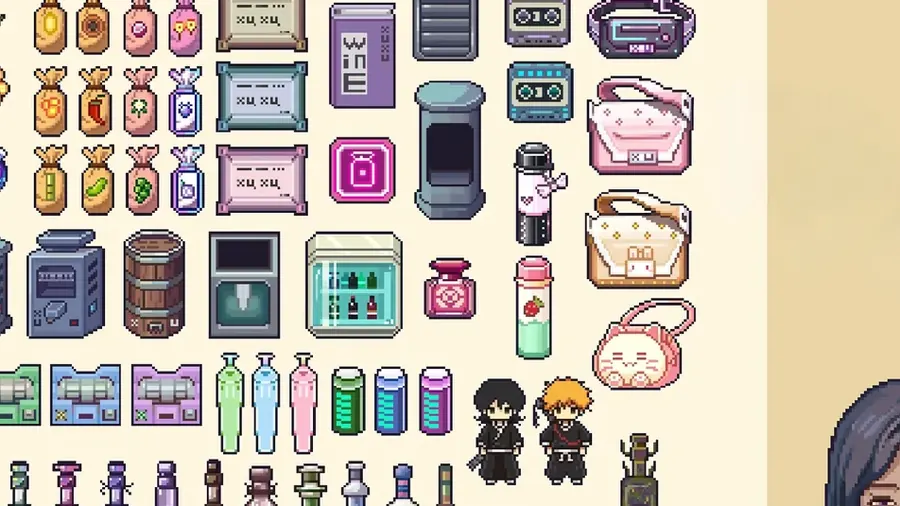
The brewing expansion adds seeds, fruit and recipes; the first batch is a test, not a payday.
FAQ
What does Brewing Expansion add?
180 items, 16 seeds, 18 fruits and 67 wine recipes, plus growing and aging.
How do I start brewing?
Plant the starter seeds, brew a low-cost recipe, then age it before selling.
Is it compatible with 1.0.0.6?
It is built for 1.0. Check the Workshop page after the security update.
Sources and version notes
- Brewing Expansion Workshop page (3829730904), item counts and feature list, 2 November 2026.
- Vanilla winemaking systems from the in-game UI and the Steam guide list.
- 1.0.0.6 modding security update from the Steam patch notes.
- Profit figures: not published for 1.0.0.6; needs testing.
Official source: Brewing Expansion ↗ · Steam Workshop ↗ · Steam store ↗, checked 2 November 2026.
More Probably Stolen Guides
All nine Probably Stolen starts compared by credits, rent, gear and risk, with the best pick for a first run, a profit run and Rock Bottom.
A profit-first Probably Stolen chemistry guide: purity math, acid and base workflow, contaminant control, and which chemicals are worth the risk.
Case value, investigation, raids, fines and bribes in Probably Stolen: how the crime system builds a case and how to stop it before 1,500 credits.
Which Probably Stolen mods actually change profit, which only save clicks, and how Brewing Expansion, WaterTower, Proficiency and CorpPresence affect a run.
The five Probably Stolen factions, what reputation unlocks, which choices raise or lower it, and the -100 thresholds that end runs.
How to fence stolen goods, hide contraband, handle raids and bribe Security in Probably Stolen without ending the run.
Which starting scenario is easiest, what to buy in the first week, and the opening order that keeps rent covered in Probably Stolen.
Licences, permits, weapon mods, inspections and margins for the Probably Stolen gunsmith route, with a practical risk plan.